

A stock trailer is a working tool. It moves cattle to pasture, calves to the sale barn, bulls between ranches, and sheep, goats, or hogs to the vet. Buying the right one saves time, reduces stress on animals, and lasts for years of hard use. This stock trailer buying guide walks through size, materials, gates, flooring, hitch options, and more, with 11 essential tips for smart ranchers and livestock producers.
Use this stock trailer buying guide as a checklist when you compare trailers. Answer each question for your operation and you will narrow your choices quickly.
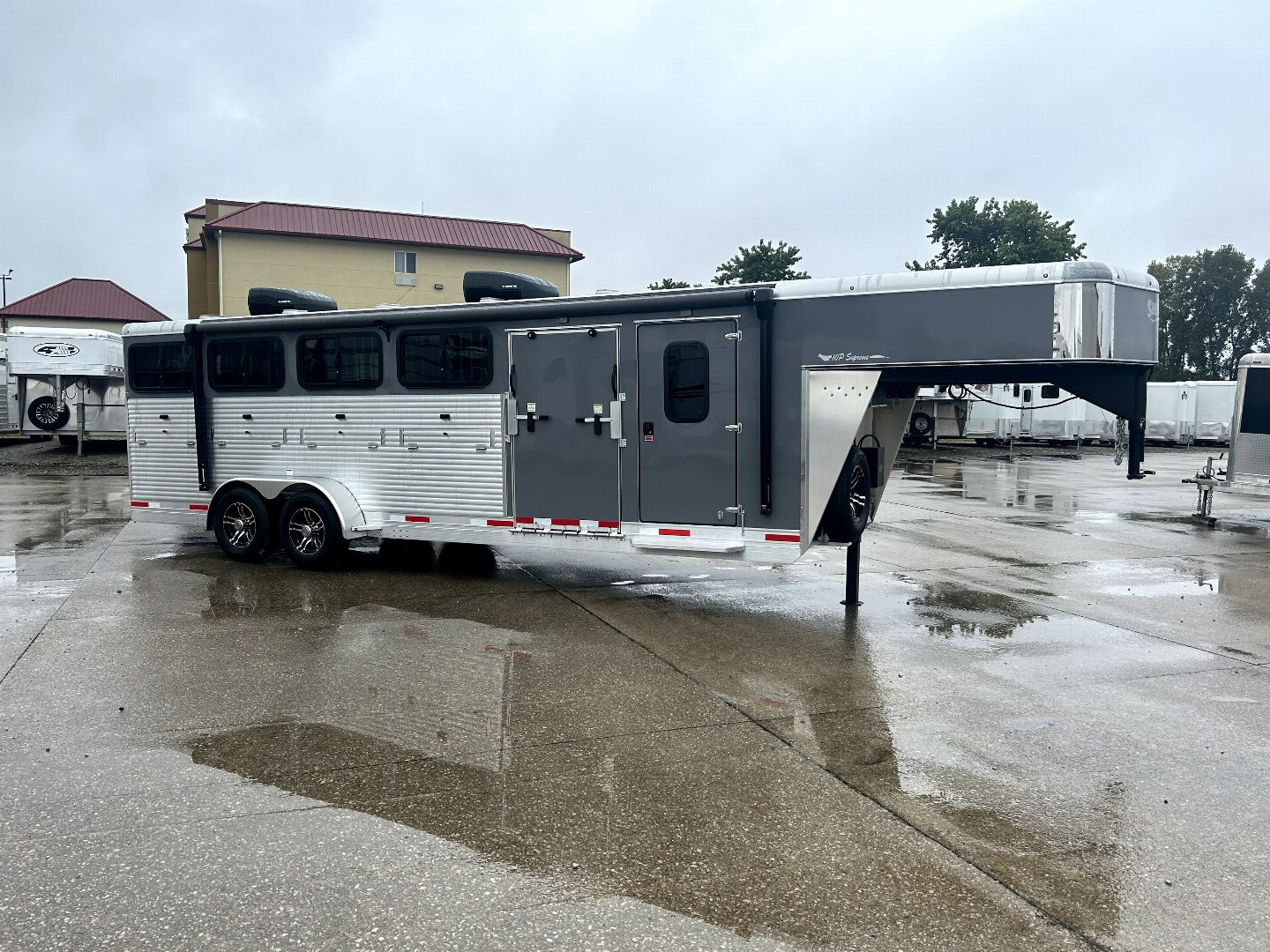
Tip 1: Start With the Animals You Haul
Every decision in a stock trailer buying guide flows from the animals. Cattle, sheep, goats, hogs, and horses have different needs for height, floor space, gates, and ventilation. Think about the largest animals you will haul (such as bulls) and the most common loads you move week to week.
Tip 2: Choose the Right Length
Length determines how many head you can haul in one trip. Common stock trailer lengths range from compact bumper pulls for small farms to long goosenecks for larger operations. A longer trailer hauls more animals but needs a heavier truck and more room to turn. Match length to your typical load, not your biggest once-a-year move.
Tip 3: Choose Width and Height
Many stock trailers come in standard widths such as 6 feet 8 inches or 7 feet wide, and interior heights vary. Wider and taller trailers give cattle and horses more room, but add weight and cost. If you haul horses in a stock combo, extra height matters.
Tip 4: Decide Between Gooseneck and Bumper Pull
Gooseneck stock trailers tow more steadily with heavy loads, turn tighter, and are the common choice for longer trailers. Bumper pull stock trailers are simpler, often less expensive, and work well for shorter trailers and smaller loads. Your truck and typical load will usually decide the hitch style.
Tip 5: Compare Aluminum, Steel, and Galvanized Construction
Steel stock trailers are strong and often less expensive, but they rust if not maintained. Galvanized steel resists rust better. Aluminum stock trailers are lighter and resist corrosion from manure and urine, which can extend trailer life and reduce weight on your truck. Compare total cost, weight, and maintenance, not just price.
Tip 6: Look Closely at Gates
Gates make or break a stock trailer’s usefulness. Common options include:
- Center gate: divides the trailer into front and rear compartments.
- Cut gate: lets you sort animals or create smaller compartments.
- Rear swing gate with slider: lets you load one animal at a time or open fully.
- Escape door: gives handlers a safe exit.
Check that gates swing freely and latch securely, and that latches can be operated safely from outside.
Tip 7: Evaluate Flooring and Footing
Good footing prevents slips and injuries. Stock trailer floors may be wood, aluminum, or steel, often with rubber mats or textured surfaces. Rubber mats improve traction and cushion hooves. Check floor condition carefully on used trailers, including the underside.
Tip 8: Consider Ventilation and Roof Options
Stock trailers range from open tops to tarp tops to fully enclosed roofs. Slats along the sides provide airflow. In cold climates, slat covers or winter panels help protect animals from wind chill. In hot climates, maximum airflow is critical. Think about the seasons and distances you haul.
Tip 9: Check Axles, Tires, and Brakes
Livestock loads are heavy and they shift. Make sure axles, tires, and brakes are rated for your loaded weight. Tandem axles with electric brakes are common. Look for the GVWR on the trailer label and compare with your expected loads.
Tip 10: Match the Trailer to Your Truck
Calculate your loaded trailer weight using the trailer’s empty weight plus the animals you haul. Compare it with your truck’s towing capacity, payload, and gross combined weight rating. Gooseneck pin weight counts against payload. If your combination is heavy or used commercially, check whether any licensing rules apply in your state.
Tip 11: Inspect Carefully and Compare New vs Used
Used stock trailers can offer excellent value, but they work hard. Inspect floors, frames, gates, latches, hinges, axles, tires, brakes, and wiring. Look for rust, cracked welds, and damaged slats. New trailers give you a clean start and warranty coverage. Either way, inspect before you buy.
Stock Trailer Buying Guide Checklist
| Question | Your answer |
|---|---|
| What animals and how many per trip? | |
| What length, width, and height? | |
| Gooseneck or bumper pull? | |
| Aluminum, steel, or galvanized? | |
| Which gates do you need? | |
| What floor and mat setup? | |
| Open top, tarp, or solid roof? | |
| Does it fit your truck’s ratings? |
Livestock Handling and Transport Resources
Choosing the right trailer is only part of safe hauling. Penn State Extension’s overview of livestock transportation and Mississippi State University Extension’s guide to transporting beef cattle on the road are useful companions to this stock trailer buying guide.
Stock Trailer Buying Guide FAQs
What size stock trailer do I need?
Base it on the number and size of animals you haul most often, plus your truck’s capacity. Smaller operations often choose shorter bumper pulls; larger operations favor longer goosenecks.
Is aluminum worth it for a stock trailer?
Aluminum’s lighter weight and corrosion resistance can pay off over time, especially with frequent hauling. Steel can be a good value if maintained well.
Can I haul horses in a stock trailer?
Many owners do, especially in stock combo trailers with adequate height and safe interiors.
Find the Right Stock Trailer
This stock trailer buying guide gives you a clear path: start with your animals, choose the right size and hitch, compare materials, gates, and floors, and match everything to your truck. Inspect carefully, and you will have a trailer that works as hard as you do.
Browse our current livestock and pen trailers, see our full inventory, or contact us with questions. Call or text (406) 208-3277, Monday through Friday, 9am to 5pm.