

A used livestock trailer can be a great value, but only if it is safe and solid. Floors, gates, and frames take heavy abuse from cattle, manure, and weather. Knowing how to inspect a used stock trailer protects your animals and your wallet. This checklist covers 14 essential checks, in order, so you can evaluate any trailer before you buy.
Bring a flashlight, screwdriver or awl, gloves, tire gauge, tape measure, and your truck if possible. Plan on about an hour to inspect a used stock trailer thoroughly.
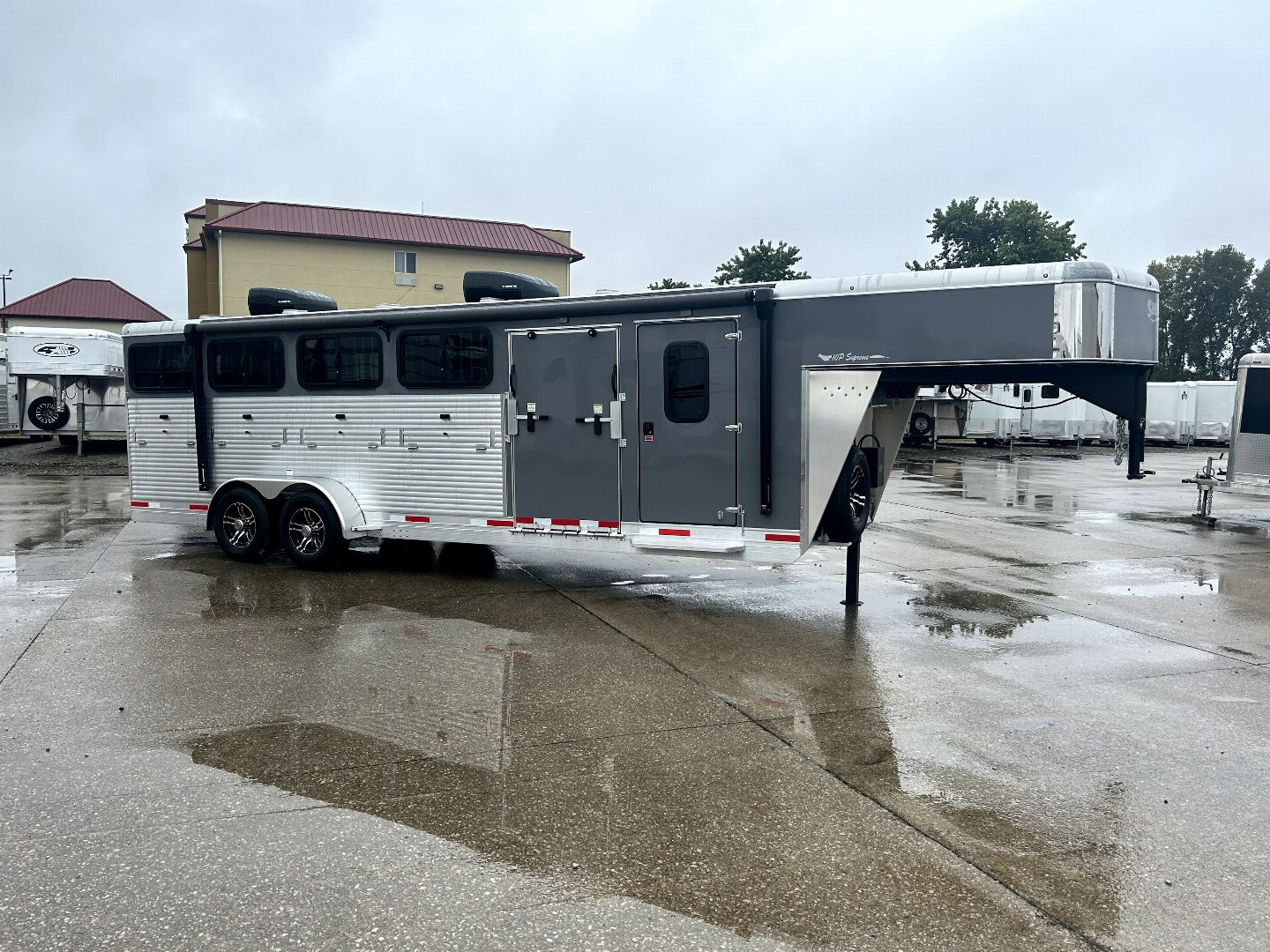
How to Inspect a Used Stock Trailer: 14 Essential Checks
1. Floor From Above
Remove or lift mats and inspect the entire floor. Probe wood for soft spots and rot, especially near the rear, sides, and where manure collects. On steel or aluminum floors, look for rust, corrosion, holes, pitting, and cracked welds. Step firmly across the floor to feel for flex.
2. Floor From Below and Crossmembers
Get under the trailer and inspect the floor’s underside and crossmembers. Look for rust, rot, broken welds, sagging, or missing supports.
3. Main Frame
Follow the frame rails from front to back, looking for cracks, bends, heavy rust, and repairs. Pay attention to the lower side rails, which often take hits.
4. Gooseneck or Tongue
Inspect the gooseneck or tongue structure where it joins the trailer body. Look for cracks, rust, and weld repairs. Check the coupler, safety chains, and jack.
5. Gates
Open and close every gate: center, cut, rear, slider, and escape door. Gates should swing freely without dragging.
6. Latches and Hinges
Check that every latch engages fully and holds when you push on the gate. Inspect hinges and hinge pins for wear and bending. Latches you can operate from outside the trailer are safer.
7. Slats and Side Panels
Look for bent, cracked, or missing slats and sharp edges that could injure animals. Check welds where slats meet posts.
8. Roof or Top
On covered trailers, inspect the roof for leaks, loose panels, and rust. On tarp tops, check the tarp, bows, and fasteners.
9. Tires
Check DOT date codes for tire age, and look for cracks, bulges, and uneven wear. NHTSA’s tire safety information explains tire aging.
10. Wheels and Lug Nuts
Look for bent or cracked wheels, missing lug nuts, and rust streaks that suggest loose nuts.
11. Axles, Suspension, and Bearings
Inspect axles for bends and suspension parts for wear. If safely possible, lift each wheel, spin it, and check for play or grinding. Ask when bearings were last serviced.
12. Brakes and Breakaway
Test the electric brakes with your truck’s brake controller. Check the breakaway battery and switch.
13. Lights and Wiring
Plug in and test every light. Inspect the plug and wiring for corrosion and damage, which is common on livestock trailers.
14. Title and Records
Match the VIN to the title, confirm the seller’s name is on the title, and ask about liens and service records. Requirements vary by state, so check with your state motor vehicle agency.
How to Inspect a Used Stock Trailer: Fixable vs Deal Breakers
| Often fixable | Often a deal breaker |
|---|---|
| Old tires | Cracked or heavily rusted frame |
| Worn mats | Widespread floor rot or corrosion |
| Sticky latches | Structural damage at gooseneck or tongue |
| Burned-out lights | Missing title or mismatched VIN |
| Bearings due for service | Badly bent axles |
Take a Test Tow
If possible, hitch the trailer and drive it. Listen for clunks and rattles, feel for pulling or sway, and test the brakes. A short test tow often reveals problems that a stationary check misses. This is the final step when you inspect a used stock trailer.
NDSU Extension also stresses the value of inspecting trailers before hauling; read their advice to inspect stock trailers before transporting cattle.
How to Inspect a Used Stock Trailer: FAQs
What is the most important check?
The floor and frame, because failures there endanger animals and handlers.
How can I tell if a floor has been patched?
Look for mismatched boards, new fasteners, fresh paint or coatings in small areas, and check from underneath.
Should I pay for a professional inspection?
For higher-priced trailers or if you are unsure, a trailer shop inspection can be worthwhile.
Buy With Confidence
Learning how to inspect a used stock trailer helps you avoid costly mistakes and find a trailer that will serve your operation for years. Use this checklist with every trailer you consider.
Browse our livestock and pen trailers, read our used stock trailers guide, or contact us. Call or text (406) 208-3277, Monday through Friday, 9am to 5pm.