
A trailer that fits one horse comfortably can be cramped and stressful for another. This horse trailer size guide explains the seven essential measurements that determine whether a trailer is a safe fit: interior height, stall length, stall width, head room, door and ramp size, overall length, and weight capacity. Use this horse trailer size guide to match a trailer to your horses so every trip is safe and comfortable.
Exact measurements vary by manufacturer and model, so always confirm the numbers on the specific trailer you are considering.
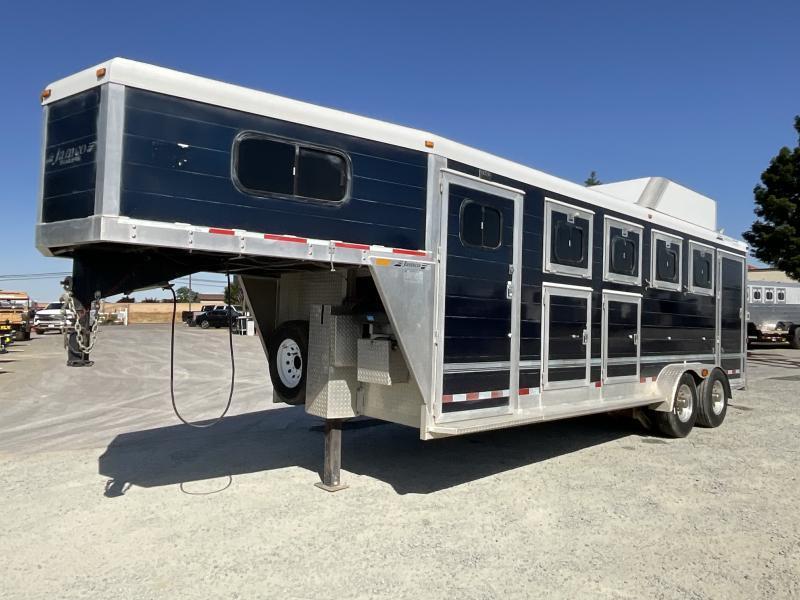
Start by Measuring Your Horse
Before you compare trailers, measure your largest horse. Note height at the withers (in hands or inches), height at the poll with the head raised naturally, body length from chest to buttocks, and width at the widest point. Weight matters for towing calculations too.
Measurement 1: Interior Height
Interior height is the clearance from the floor to the lowest point of the ceiling, including roof vents and supports. Horses raise their heads when loading and balancing, so they need clearance above the poll. Many owners look for about 7 feet of interior height for average horses, and 7 feet 6 inches or more for tall horses, warmbloods, and drafts. This is one of the most important numbers in any horse trailer size guide.
Measurement 2: Stall Length
Stall length gives a horse room to stand and balance. In straight load trailers, length is measured front to back. In slant load trailers, stall length is measured along the angle and varies by trailer width and divider angle. Long-bodied horses need longer stalls so they are not pressed against the front or rear.
Measurement 3: Stall Width
Stall width allows a horse to spread its legs for balance. Narrow stalls can make large horses feel trapped. Trailer exterior width (often around 7 feet or more) affects how wide stalls can be. Wider trailers usually offer roomier stalls but may tow and park differently.
Measurement 4: Head and Neck Room
Horses balance with their head and neck. Check the space in front of the chest bar or manger and above the head. A stall that is long enough for the body but short in front can make a horse anxious. Some trailers offer head dividers or open fronts that improve comfort.
Measurement 5: Door and Ramp Openings
Rear door height and width, side ramp dimensions, and escape door size all affect loading. A low rear opening can make tall horses duck and hesitate. A wider opening invites nervous horses in more easily.
Measurement 6: Overall Trailer Length
Overall length affects towing, parking, and storage. Adding stalls, a dressing room, or living quarters increases length. Measure your parking area and consider where you will travel and camp.
Measurement 7: Weight Ratings
The trailer’s GVWR limits how much weight it can carry, including horses and gear. A trailer may physically fit four large horses but not be rated to carry their combined weight with tack and hay. Compare the loaded weight to the GVWR and to your truck’s ratings. Our guide to horse trailer towing capacity explains the calculations.
Horse Trailer Size Guide by Horse Type
| Horse type | Common considerations |
|---|---|
| Ponies and small horses | Standard height may be plenty; check divider fit |
| Average stock horses | About 7 ft interior height is common; check stall length |
| Warmbloods and tall horses | Look for 7 ft 6 in or more height, longer and wider stalls |
| Draft horses | Extra height, width, and length; confirm weight ratings |
These are general considerations. Your individual horse’s measurements matter more than breed labels.
Slant Load vs Straight Load Sizing
Slant loads fit more horses in less length, but stall length depends on the trailer’s width and divider angle. Straight loads often provide longer stalls for big horses. Learn more in our slant load vs straight load horse trailer comparison.
Test the Fit
Numbers help, but nothing beats seeing your horse in the trailer. If possible, load your largest horse, close the divider, and watch how it stands. A relaxed horse with room to move its head is a good sign. Michigan State University Extension offers tips to travel safely with your horses that complement this horse trailer size guide.
Horse Trailer Size Guide FAQs
How tall should a horse trailer be?
Many owners look for about 7 feet of interior height for average horses and 7 feet 6 inches or more for tall horses, but measure your horse to be sure.
What size trailer do I need for a warmblood?
Look for extra height, longer stalls, and wider stalls, and confirm the trailer’s weight rating covers your horse’s weight.
Does trailer width matter?
Yes. Wider trailers allow wider and, in slant loads, longer stalls.
Find a Safe Fit
Use this horse trailer size guide to measure your horses, compare interior dimensions, and confirm weight ratings before you buy.
Browse our two horse trailers, three horse trailers, and four horse trailers, or contact us for measurements on any trailer. Call or text (406) 208-3277, Monday through Friday, 9am to 5pm.