
Breakdowns, flat tires, and minor injuries happen even to careful haulers. A well-stocked horse trailer emergency kit turns a stressful roadside situation into a manageable one. This guide lists 25 essential items for the trailer, truck, and horses, so you can handle breakdowns and make safe roadside stops.
Build your horse trailer emergency kit once, store it in the truck or tack room, and check it before every season.
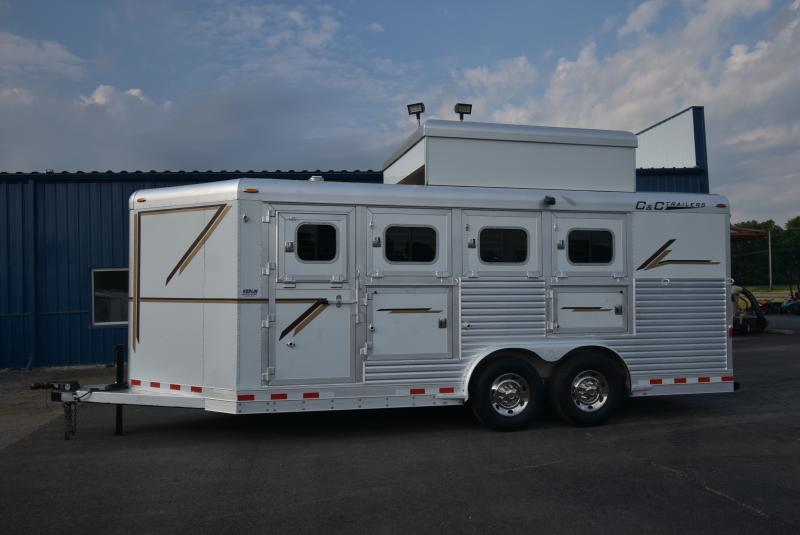
Trailer and Truck Items
- Spare tire on a matching wheel, properly inflated.
- Trailer jack or drive-on ramp rated for your loaded trailer.
- Lug wrench that fits your trailer’s lug nuts.
- Wheel chocks to keep the trailer from rolling.
- Reflective triangles or flares to warn other drivers.
- Flashlight or headlamp with spare batteries.
- Tire pressure gauge.
- Portable air compressor.
- Basic tool kit: screwdrivers, pliers, adjustable wrench, electrical tape.
- Spare fuses and bulbs for trailer lights.
- Work gloves.
- Duct tape and zip ties for temporary fixes.
Horse Items
- Extra halters and lead ropes.
- Equine first aid kit: bandages, wraps, antiseptic, gauze, vet wrap, scissors, and items recommended by your veterinarian.
- Thermometer to check your horse’s temperature.
- Water and buckets, plus water from home if your horse is picky.
- Hay and hay nets for delays.
- Fly spray for warm-weather stops.
- Blanket or cooler depending on season.
- Hoof pick.
Documents and Information
- Coggins and health certificates for each horse.
- Ownership papers and trailer and truck registration.
- Emergency contact card listing horses, owners, and your veterinarian.
- Roadside assistance information, ideally a program that handles horse trailers.
- Phone charger and a backup power bank.
Horse Trailer Emergency Kit Summary
| Category | Number of items |
|---|---|
| Trailer and truck | 12 |
| Horse | 8 |
| Documents and information | 5 |
Using Your Kit Safely
If you have a flat or breakdown, pull as far off the road as safely possible, turn on hazard lights, and set out reflective triangles. Assess whether it is safe to change a tire with horses on board, following your trailer manufacturer’s guidance; many owners use a drive-on ramp that lifts the flat tire without jacking the trailer. In most situations, keeping horses inside the trailer is safer than unloading on a roadside. Call for help if conditions are unsafe.
Where to Store Your Horse Trailer Emergency Kit
Keep tools, the jack or ramp, and reflective triangles where you can reach them without unloading the trailer, such as a truck toolbox or exterior trailer compartment. Store the equine first aid kit and documents in the truck cab so they stay dry and accessible. Label bins clearly so anyone traveling with you can find what they need quickly. A horse trailer emergency kit only helps if you can find each item fast in the dark or in bad weather.
Prevention Beats Repair
Many roadside emergencies are preventable. Check tire pressure and condition, service bearings and brakes, and inspect lights before trips. Our horse trailer maintenance checklist and horse trailer tires guide help you avoid problems. NHTSA’s tire safety page explains inflation and aging.
Check Your Kit Regularly
- Inspect the spare tire’s pressure and age.
- Replace used first aid supplies.
- Check flashlight batteries and phone chargers.
- Update documents and expiration dates.
- Rotate water and hay.
Horse Trailer Emergency Kit FAQs
Should I unload horses during a breakdown?
Usually it is safer to keep horses in the trailer on the roadside. Unload only if the trailer is unsafe and you have a secure place to hold horses.
What should be in an equine first aid kit?
Ask your veterinarian; common items include bandages, wraps, antiseptic, gauze, scissors, and a thermometer.
Do I need special roadside assistance?
Many standard programs do not tow horse trailers. Look for coverage that includes horse trailers.
Be Prepared
A complete horse trailer emergency kit gives you peace of mind on every trip. Build it now, keep it stocked, and practice using key tools at home.
Browse our trailer inventory, read our horse trailer safety tips, or contact us. Call or text (406) 208-3277, Monday through Friday, 9am to 5pm.