
Your first horse trailer should make hauling feel manageable, not stressful. The best horse trailers for beginners are easy to hitch, comfortable to tow, simple to load, and sized for the horses you actually own. This guide explains what to look for, which features help new haulers most, and nine essential tips for choosing a first trailer that keeps every trip safe.
If you are new to towing, new to horse ownership, or both, the best horse trailers for beginners share a few traits: moderate size, good visibility, stable towing, and a layout your horse is willing to walk into.
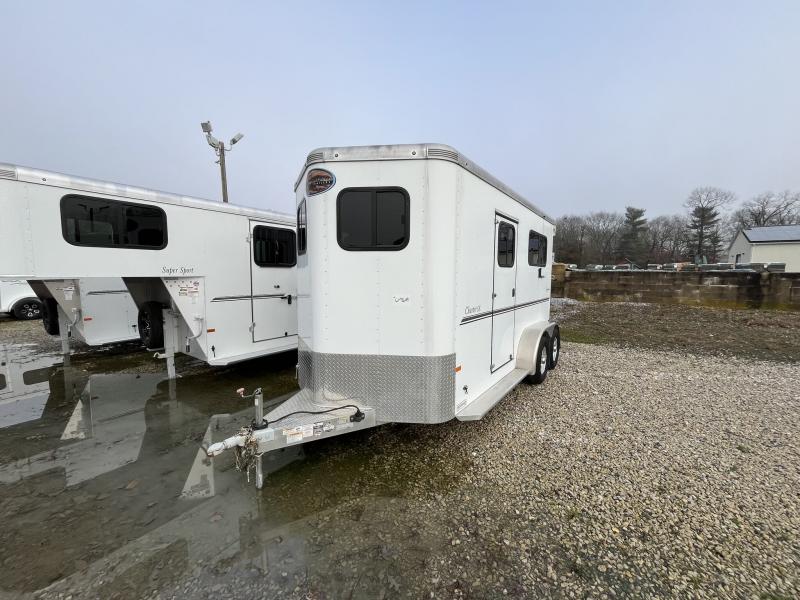
What Makes the Best Horse Trailers for Beginners?
There is no single model that suits every new owner. Instead, focus on qualities that reduce risk and build confidence:
- Manageable size: a two-horse trailer is easier to park, turn, and back than a long four-horse rig.
- Weight that suits your truck: a lighter trailer leaves more margin under your towing and payload ratings.
- Inviting interior: good height, light, and ventilation make loading easier for nervous horses.
- Simple systems: fewer features mean fewer things to maintain and troubleshoot.
- Solid construction: a safe floor, frame, and running gear matter more than extras.
Tip 1: Start With a Two-Horse Trailer
For most first-time owners, the best horse trailers for beginners are two-horse models. They are shorter, lighter, and easier to maneuver at barns, trailheads, and show grounds. Even if you only own one horse, a two-horse trailer gives you room for a buddy horse, which can help calm a nervous traveler.
If you already know you will haul three horses regularly, a three-horse trailer may be the better long-term buy. Our horse trailer buying guide walks through how to choose capacity.
Tip 2: Choose the Hitch Style That Matches Your Truck
Bumper pull trailers attach to a receiver hitch and work with many pickups and some large SUVs. Gooseneck trailers attach to a ball in the truck bed and generally tow with more stability, but they require a pickup and a bed-mounted hitch.
For many beginners with a half-ton or three-quarter-ton pickup, a two-horse bumper pull is the simplest start. If you already have a gooseneck hitch, a two-horse gooseneck can be very comfortable to tow. Either way, practice hitching until it becomes routine.
Tip 3: Respect Your Tow Ratings
Look up your truck’s towing capacity, payload, and gross combined weight rating in the owner’s manual or on the door jamb label. Compare those numbers to the trailer’s loaded weight, not its empty weight. Loaded weight includes your horses, tack, hay, water, and gear.
New haulers are better served by a trailer that sits comfortably below the truck’s limits. A healthy margin improves braking, steering, and control, especially in wind, on hills, or in an emergency stop.
Tip 4: Pick a Layout Your Horse Accepts
Slant load trailers position horses at an angle and fit more horses in a shorter length. Straight load trailers give each horse a stall facing forward. Some horses travel calmly in either; others clearly prefer one.
If you can, practice loading your horse into a few different trailers before buying. The best horse trailers for beginners are the ones your horse walks into without a fight.
Tip 5: Prioritize Height, Light, and Airflow
Horses are naturally wary of dark, cramped spaces. A taller interior, light-colored walls, interior lights, and open windows can make a trailer feel more inviting. Roof vents and sliding or drop-down windows help keep air moving on warm days.
Check that the interior height and stall length suit your horse. Taller horses need more headroom and room to balance with their head and neck.
Tip 6: Consider Aluminum for Lighter Towing
All-aluminum trailers usually weigh less than comparable steel trailers and resist rust. That lighter weight can make towing easier for a new driver. Steel trailers can be strong and affordable but need more attention to prevent corrosion.
Whatever material you choose, inspect the floor, frame, and welds carefully, especially on a used trailer.
Tip 7: Keep Features Simple at First
Living quarters, slide-outs, generators, and complex electrical systems are wonderful for experienced travelers, but they add weight, cost, and maintenance. Many beginners are happiest with a straightforward trailer that has a tack room, good ventilation, rubber mats, and reliable lights and brakes.
You can always step up to more features once you know how you like to travel.
Tip 8: Buy Used Wisely or New With Confidence
A used trailer can be an affordable first trailer, but only after a careful inspection. Lift the mats and check the floor, look for frame cracks and rust, check tire age, and test the brakes and lights. Our article on used horse trailers for sale covers what to look for. If you would rather avoid unknowns, compare used and new options in our new vs used horse trailer guide.
Tip 9: Practice Before You Haul
Even the best horse trailers for beginners require practice. Before you load a horse:
- Hitch and unhitch several times until each step is second nature.
- Check safety chains, breakaway cable, lights, and brake controller settings.
- Drive the empty trailer in a large, open area and practice wide turns.
- Practice backing, using small steering inputs and a spotter.
- Take short trips with an experienced horse before longer drives.
The University of Connecticut Extension shares practical advice on safely trailering and loading your horse that is especially helpful for new haulers.
Best Horse Trailers for Beginners: Feature Checklist
| Feature | Why it helps beginners |
|---|---|
| Two-horse capacity | Easier to tow, park, and back |
| Generous interior height | More inviting and safer for horses |
| Interior and loading lights | Safer loading early and late in the day |
| Roof vents and windows | Better airflow and comfort |
| Escape door | Safer exit for the handler when loading |
| Rubber mats | Better footing and less fatigue |
| Electric brakes and breakaway | Essential for safe stopping |
| Tack room | Keeps gear organized and secure |
Common Beginner Mistakes to Avoid
- Buying a trailer that is too heavy for the truck.
- Choosing size based on a bargain rather than real needs.
- Skipping the floor inspection on a used trailer.
- Forgetting to set the brake controller for the trailer’s weight.
- Rushing the first trip with a horse that has not been trained to load.
Best Horse Trailers for Beginners FAQs
What is the easiest horse trailer to pull?
Generally, a lighter two-horse trailer that is well matched to your truck is easiest to pull. Goosenecks often tow more steadily, but they require a pickup and a bed hitch.
Is a slant load or straight load better for beginners?
Both can work well. Choose the layout your horse loads into calmly and that fits your horse’s size.
Should a beginner buy a living quarters trailer?
Some do, but living quarters add weight and systems to maintain. Many beginners start with a simpler trailer and upgrade later.
Do I need special training to tow a horse trailer?
No special license is usually needed for typical personal use, but practice is essential. Rules vary by state and weight, so check your state’s requirements.
Start Your Search
The best horse trailers for beginners are safe, simple, and sized for your horses and truck. Use these nine essential tips to narrow your choices, inspect carefully, and practice before your first haul.
Browse our two horse trailers and three horse trailers, see our full inventory, or contact our team for help choosing your first trailer. Call or text (406) 208-3277, Monday through Friday, 9am to 5pm.